Showing posts with label news. Show all posts

বস্ত্র অধিদপ্তরে বিভিন্ন পদে নিয়োগ বিজ্ঞপ্তি | Job circular at Ministry of Textiles

বস্ত্র অধিদপ্তরে বিভিন্ন পদে নিয়োগ বিজ্ঞপ্তি | Job circular at Ministry of Textiles
বস্ত্র ও পাট মন্ত্রণালয়ের অধীন বস্ত্র অধিদপ্তরে জনবল নিয়োগের জন্য যোগ্যতাসম্পন্ন বাংলাদেশি নাগরিকদের থেকে দরখাস্ত আহ্বান করেছে।

১) পদের নাম: টেকনিক্যাল অ্যাসিস্ট্যান্ট
পদ সংখ্যা: ২১টি
বেতন স্কেল: ৯,৩০০/-২২,৪৯০/ টাকা।
শিক্ষাগত যোগ্যতা: প্রথম বিভাগে মাধ্যমিক স্কুল সার্টিফিকেট (ভোকেশনাল) টেক্সটাইল কোর্স পাস।

২) পদের নাম: লাইব্রেরি অ্যাসিস্ট্যান্ট
পদ সংখ্যা: ১টি
বেতন স্কেল: ৯,৩০০/-২২,৪৯০/ টাকা।
শিক্ষাগত যোগ্যতা: উচ্চ মাধ্যমিক স্কুল সার্টিফিকেট বা গ্রন্থাগার বিজ্ঞানে সার্টিফিকেট কোর্স পাস বা গ্রন্থাগার বিজ্ঞানে ডিপ্লোমা।

আগ্রহী প্রার্থীদের dotr.teletalk.com.bd এই ওয়েবসাইটের মাধ্যমে আবেদন করতে হবে।

আবেদন শুরু: ২৪ জুলাই, ২০১৯ তারিখ সকাল ১০টা থেকে।
আবেদন শেষ: ২২ আগষ্ট, ২০১৯ বিকাল ৫টা পর্যন্ত।

বাংলাদেশ টেক্সটাইল বিশ্ববিদ্যালয়ে প্রভাষক সহ বিভিন্ন পদে নিয়োগ বিজ্ঞপ্তি | Bangladesh Textile University Job Circular http://www.butex.edu.bd/

বাংলাদেশ টেক্সটাইল বিশ্ববিদ্যালয়ে প্রভাষক সহ বিভিন্ন পদে নিয়োগ বিজ্ঞপ্তি | Bangladesh Textile University Job Circular http://www.butex.edu.bd/

চাকরির বর্ণনাঃ
বাংলাদেশ টেক্সটাইল বিশ্ববিদ্যালয়ে বিভিন্ন বিভাগে শিক্ষক নিয়োগের জন্য যোগ্য প্রার্থীদের কাছ থেকে দরখাস্ত আহবান করা হয়েছে।
পদ সমুহঃ
আবেদন করার প্রক্রিয়াঃ


আবেদনের শেষ তারিখ: ৩০/০৭/২০১৯ ইং 
বিস্তারিত এই বিজ্ঞপ্তি তে দেখুন, (বিজ্ঞপ্তিটি ডাউনলোড করতে নিচের ছবিতে ক্লিক করুন)

Job circular at Fakir Fashion Ltd As A Sr.Officer/Officer (Supply Chain Management)

Job circular at Fakir Fashion Ltd As A Sr.Officer/Officer (Supply Chain Management)

Sr.Officer/Officer (Supply Chain Management)

Vacancy: 04
Job Responsibilities
  • Properly maintain Sample & Trims related work.
  • Must have the knowledge about Stitch area / Production are
  • Knowledge about marketing & merchandising must require.
  • Must have knowledge on knit and knit Fabrics.
  • Fair knowledge on production process in garments and textile division.
  • Any other assignment given by the management time to time.
Employment Status: Full-time
Educational Requirements
  • B.Sc in Textile Engineering/ MBA (SCM)
  • Preferred Professional Certification: PGD in SCM will give preference
Experience Requirements: 2 to 6 year(s)
Additional Requirements
  • Age 25 to 35 years
  • Only males are allowed to apply
  • Excellent interpersonal, written & oral communication skills.
  • Must have knowledge in MS Office.
Job Location: Narayanganj
Salary: Negotiable
Compensation & Other Benefits
  • Mobile bill, Medical allowance, Insurance
  • Lunch Facilities: Partially Subsidize
  • Salary Review: Yearly
  • Festival Bonus: 2
Send your CV to hr@fakirfashion.com 
Application Deadline : May 9, 2019
Company Information
Fakir Fashion Ltd.Address : Baliapara, Dahargaon, Rupganj, NarayanganjWeb : www.fakirfashion.com
Business : 100% Export Oriented Knit Composite Industry.

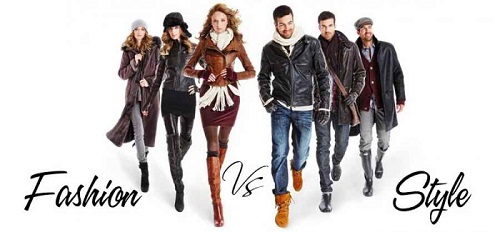
What is Difference between Fashion and Style?

What is Difference between Fashion and Style?
Fashion and Style are two common terms which are now vastly used by the young generation, though they are totally confused about it, cannot differentiate between fashion and style. Just not this young generation, there are so many who still don’t know the difference between fashion and style. “Fashion is about dressing according to what’s fashionable. Style is more about being yourself” said by Oscar de la Renta.
What is Fashion?
Fashion is a very versatile matter and trendy right now, which is being featured in magazines, on TV and on the fashion runways. In another view, Fashion is also the newest creations made by designers, which are brought by only a few numbers of people. Fashion can be anything such like clothes, shoes, make-up and accessories etc which is being made popular by fashion house, models, actors and actresses.
What is Style?
Style is something which is unique to everyone. Style is the persons own choice in clothes, accessories and others. Style is not totally dependent on clothing; it can be related with anything that makes the person looking stylish. In another view, style is the extension of fashion which does not change as fashion.

How to be environment polluted by Textile Industry?

How to be environment polluted by Textile Industry?
Textile processing generates many waste streams, including water-based effluent as well as Air emissions, water pollution, and hazardous wastes. The nature of the waste generated Depends on the type of textile facility, the processes and technologies being operated, and the types of fibers and chemicals used.

1 Air Pollutants:
Most processes performed in textile mills produce atmospheric emissions. Gaseous emissions have been identified as the second greatest pollution problem (after effluent quality) for the textile industry.

Speculation concerning the amounts and types of air pollutants emitted from textile operations has been widespread, but, generally, air emissions data for textile manufacturing operations are not readily available. Most published data are based on mass-balance calculations, not direct measurements.


Air pollution is the most difficult type of pollution to sample, test, and quantify in an audit. Measurement techniques such as direct reading tubes and gas chromatography (GC)/mass spectrometer have been used recently to collect more reliable data. Continued collection of air emissions data from textile operations will result in better definitions of industry norms. Efforts are now underway to establish a reliable set of emissions factors for textiles; however, no set is currently available that can be recommended for audit purposes.

Air emissions can be classified according to the nature of their sources:

Point sources: Specific discharge points, such as stacks or vents, that are intended to be the point of atmospheric release for emissions. ( Boilers are one of the major point sources of air emissions in the textile industry. Primarily because of emissions of nitrogen and sulfur oxides from boilers)

Fugitive sources: Sources for more general atmospheric emissions such as those that occur through evaporation, leaks, and spills.

2 Indoor Air Pollution
In recent years, textile materials have been linked to indoor air quality (IAQ) problems. Textile materials that emit pollutants (primary emitters) as well as those that sorb and reemit air pollutants indoors (secondary emitters) are a concern for the textile industry. At this time, researchers are studying primary emissions from the types of textile process residues listed below:

Chemical finishes
Dyeing process residues
Assembly and fabrication residues
3 Water pollution:
Textile manufacturing is one of the largest industrial producers of waste water. On average, approximately 160 pounds of water (20 gallons) are required to produce 1 pound of textile product. Textile also is a chemically intensive industry, and therefore, the waste water from textile processing contains processing bath residues from preparation, dyeing, finishing, and other operations. These residues can cause damage if not properly treated before discharge to the environment

4 Hazardous Waste:
Most textile operations produce little or no hazardous waste as part of their routine operations, but a small percentage of textile mills (perhaps 10 percent to 20 percent) are hazardous waste generators. Any facility that uses chemicals can produce hazardous waste if a chemical exhibiting the hazardous characteristics of ignitability, toxicity, corrosively, reactivity, or flammability is spilled on the ground. The contaminated soil from such a spill is often hazardous waste by the legal definition and must be handled accordingly.

Generators must prepare both for routine handling of hazardous waste and for emergencies through proper training, equipment, and policies. For facilities that generate and handle hazardous waste, hazardous waste policies are essential. Policies must be realistic and must actually encourage proper practices. Policies designed mainly to protect the employer from liability and that do not actually promote safety and pollution prevention should be avoided.

Why study Textile Engineering?

Why study Textile Engineering?
Textiles touch today’s world in every sphere. The most obvious use of textiles is the clothes we wear, but in addition textiles are found in drapery, upholstery and other furnishings. Going even further, textiles are used extensively in automobiles, aircraft, spacecraft, ships and boats. Medical textiles include a whole range of uses, such as hernia meshes, artificial knee caps and other prosthetic devices, heart valves etc. Textiles are used in the construction industry, as geo-textiles to prevent soil erosion and in diverse other ways. The Sri Lankan garment industry is the largest export industry in Sri Lanka, with a major portion of the nation’s export revenue coming through this industry. The curriculum of the textile engineering course has been tailored to gear the student to face the challenges of this industry with confidence and contribute towards moving our industry on the hi-tech, upmarket route. The industry caters to a worldwide market, and the resulting challenges due to the changes in the global scene, together with the need to integrate information technology, communication and management skills, make textile engineering one of the most challenging disciplines available.

Career Opportunities

Being the largest foreign exchange earning industry in the country, the garment industry of Sri Lanka employs over 350,000 personnel. To date the Department has produced more than 900 graduates, most of whom are gainfully employed in the industry, and making no small contribution to the growth of the industry. There are ample career opportunities for graduates of the Department in the Apparel industry and its related feeder industries. Career opportunities are also available in other textile based industries in the country, and overseas, as well as in quality audit firms and in academia. Graduates holding B.Sc. Engineering in textile & clothing are able to step into any postgraduate degree program in reputed universities worldwide with many of our graduates having obtained postgraduate degrees not only in textile and apparel engineering & management but also in many other areas such as civil engineering, mechanical engineering, computer science.


When Did Humans Start Wearing Clothes?

When Did Humans Start Wearing Clothes?
Determining exactly when humans began wearing clothes is a challenge, largely because early clothes would have been things like animal hides, which degrade rapidly. Therefore, there’s very little archaeological evidence that can be used to determine the date that clothing started being worn.

There have been several different theories based on what archaeologists have been able to find. For instance, based on genetic skin-coloration research, humans lost body hair around one million years ago—an ideal time to start wearing clothes for warmth. The first tools used to scrape hides date back to 780,000 years ago, but animal hides served other uses, such as providing shelter, and it’s thought that those tools were used to prepare hides for that, rather than clothing. Eyed needles started appearing around 40,000 years ago, but those tools point to more complex clothing, meaning clothes had probably already been around for a while.

All that being said, scientists have started gathering alternative data that might help solve the mystery of when we humans started covering our bits.

A recent University of Florida study concluded that humans started wearing clothes some 170,000 years ago, lining up with the end of the second-to-last ice age. How did they figure that date out? By studying the evolution of lice.

Scientists observed that clothing lice are, well, extremely well-adapted to clothing. They hypothesized that body lice must have evolved to live in clothing, which meant that they weren’t around before humans started wearing clothes. The study used DNA sequencing of lice to calculate when clothing lice started to genetically split from head lice.

The findings of the study are significant because they show that clothes appeared some 70,000 years before humans started to migrate north from Africa into cooler climates. The invention of clothing was probably one factor that made migration possible.

This timing also makes sense due to known climate factors in that era.  As Ian Gilligan, a lecturer at the Australian National University, said that the study gave “an unexpectedly early date for clothing, much earlier than the earliest solid archaeological evidence, but it makes sense. It means modern humans probably started wearing clothes on a regular basis to keep warm when they were first exposed to Ice Age conditions.”

As to when humans moved on from animal hides and into textiles, the first fabric is thought to have been an early ancestor of felt. From there, early humans took up weaving some 27,000 years ago, based on impressions of baskets and textiles on clay. Around 25,000 years ago, the first Venus figurines—little statues of women—appeared wearing a variety of different clothes that pointed to weaving technology being in place by this time.

From there, more recent ancient civilizations discovered many materials they could fashion into clothing. For instance, Ancient Egyptians produced linen around 5500 BC, while the Chinese likely started producing silk around 4000 B.C.

As for clothing for fashion, instead of just keeping warm, it is thought that this occurred relatively early on. The first example of dyed flax fibers were found in a cave in the Republic of Georgia and date back to 36,000 years ago. That being said, while they may have added colour, early clothes seem to have been much simpler than the clothing we wear today—mostly cloth draped over the shoulder and pinned at the waist.

Around the mid-1300s in certain regions of the world, with some technological advances in previous century, clothing fashion began to change drastically from what it was before. For instance, clothing started to be made to form fit the human body, with curved seams, laces, and buttons. Contrasting colours and fabrics also became popular in England. From this time, fashion in the West began to change at an alarming rate, largely based on aesthetics, whereas in other cultures fashion typically changed only with great political upheaval, meaning changes came more slowly in most other cultures.

The Industrial Revolution, of course, had a huge impact on the clothing industry. Clothes could now be made en mass in factories rather than just in the home and could be transported from factory to market in record time. As a result, clothes became drastically cheaper, leading to people having significantly larger wardrobes and contributing to the constant change in fashion that we still see today.

This Post Collect From : gizmodo.com/when-did-humans-start-wearing-clothes-1299154403